

1180W Plug-In Solar Kit with APsystems EZ1, HanerSun 590W Panels & SunModo NanoRack
MPN No: 1180W APsystems EZ1 Balcony Kit
Expected ship date Oct 12 - 19
In Stock
1,349.00
-20%
$1,079.00
You will not be able to undo this action.


Shipping calculated at checkout. About shipping
Due to its size and weight, this item ships secured on a pallet by freight truck.
The carrier will contact you to schedule delivery.
U.S. Warehouse
Trusted by Thousands
Expert U.S. Support
1180W APsystems EZ1 Balcony Kit
MPN No: 1180W APsystems EZ1 Balcony Kit
Expected ship date Oct 12 - 19
In Stock
1,349.00
-20%
$1,079.00
Free pickup in Houston or Dallas, Texas.
Need zero export? Shop the APsystems APMeter. This accessory monitors your home's electricity usage and adjusts the EZ1's output in real time to help limit excess solar power from being exported to the utility grid. Utility acceptance and local requirements must still be verified.
Will this work in your state? Check current plug-in solar requirements here.

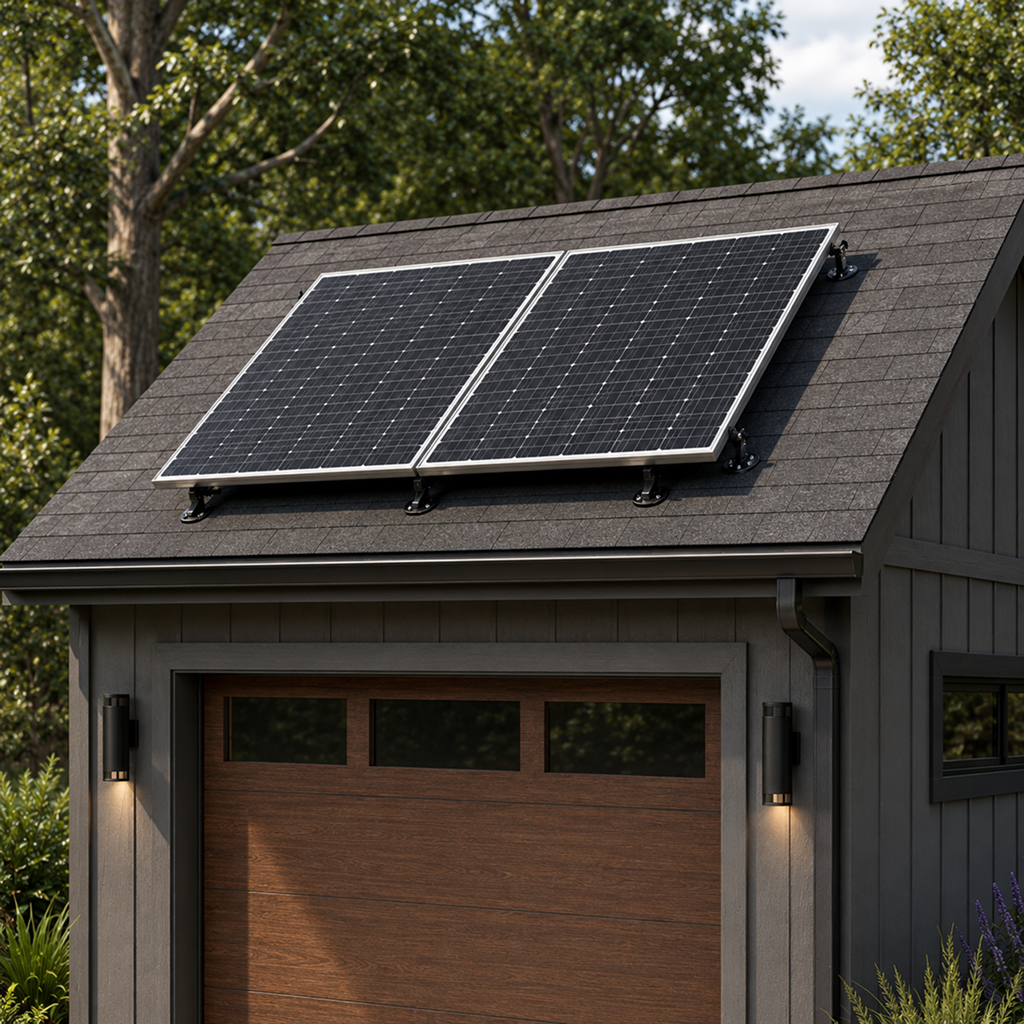
Looking for a simple way to start generating your own solar power without installing a full-size home system? This 1180W DC Plug-In Solar Kit is designed for garages, workshops, sheds, cabins and homeowners who want a compact system for supplemental daytime energy production.
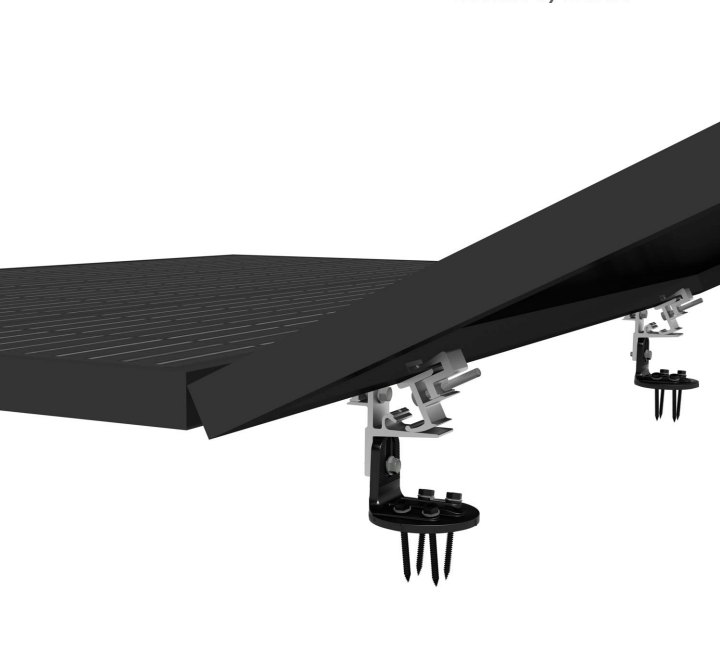
Built around the APsystems EZ1 Plug-In Microinverter and SunModo NanoRack mounting hardware, this kit includes the core equipment needed for a compatible pitched-roof installation.
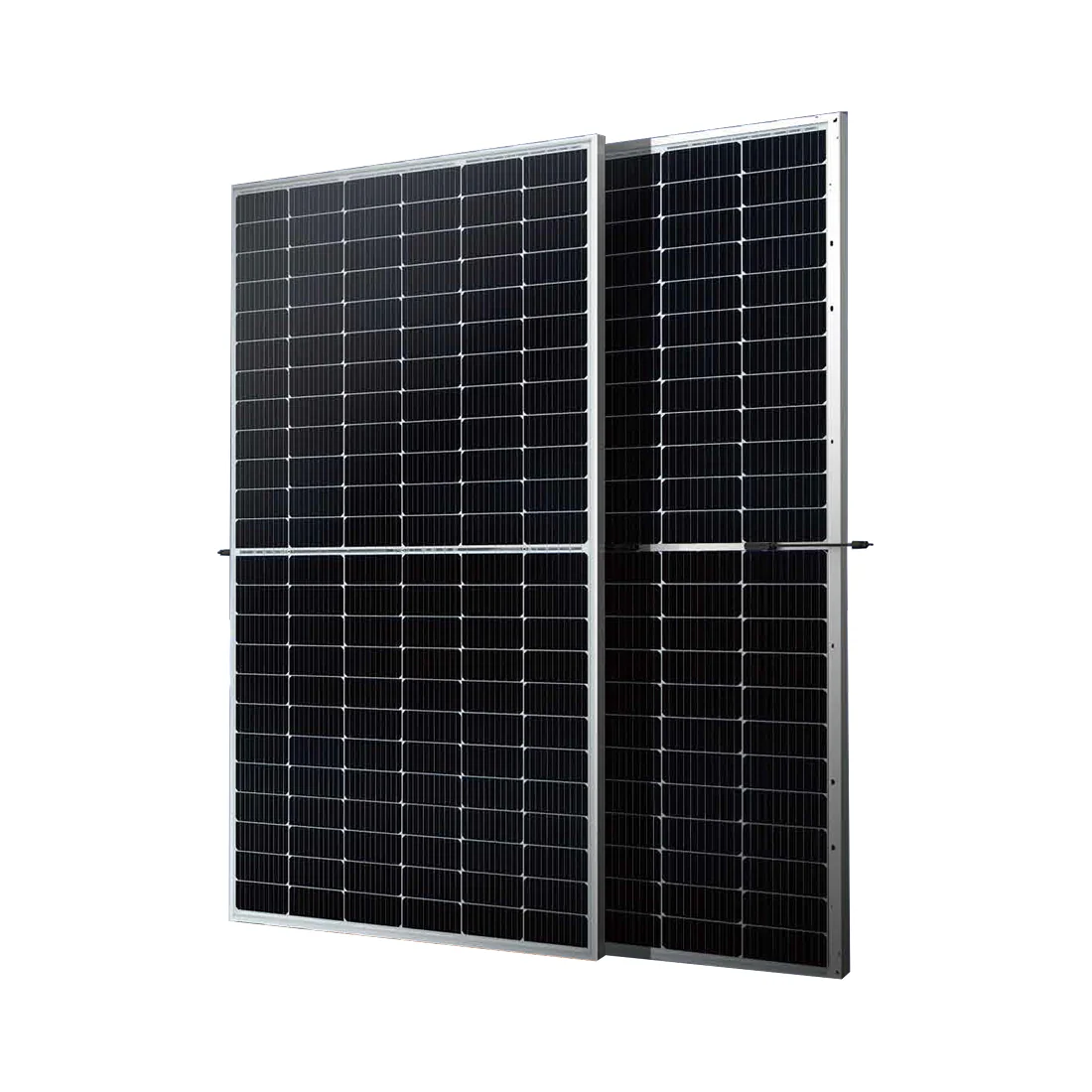
The two HanerSun 590W bifacial panels use N-type TOPCon cells and dual-glass construction. Their bifacial design can capture additional reflected light from the rear when installation conditions allow.
The solar panels provide a combined nameplate rating of 1180W DC. The APsystems EZ1 microinverter has a maximum output of 900VA AC, so output from the AC connection will not exceed the inverter rating.
The APsystems EZ1-LV-NA converts DC power from the two solar panels into 120V AC power. Each panel connects to its own independent input and MPPT channel.
Key advantages include:
The included HanerSun HN18N-72HT590W modules use N-type monocrystalline TOPCon cells with bifacial dual-glass construction for strong output and durability.
Handling note: These are large commercial-format solar panels. Confirm roof dimensions, attachment points and structural suitability before ordering. Two-person handling and an appropriate lifting plan are recommended.
| Specification | Details |
|---|---|
| Total System Size | 1180W DC |
| Maximum AC Output | 900VA |
| Inverter Type | APsystems EZ1-LV-NA Microinverter |
| Solar Panel Wattage | 590W each |
| Number of Panels | 2 |
| Panel Model | HanerSun HN18N-72HT590W |
| Panel Type | N-Type TOPCon Bifacial Dual Glass |
| Panel Electrical Data | Vmp 43.60V, Imp 13.54A, Voc 51.80V, Isc 14.35A |
| Mounting Hardware | SunModo NanoRack |
| Installation Type | Compatible pitched-roof installation |
| Monitoring | Wi-Fi and app monitoring |
| AC Connection | APsystems 5m US power cord included |
| Operating Mode | Grid-tied only |
The equipment can be installed throughout the United States when the project complies with the electrical code, building code, permitting, interconnection and utility requirements that apply at the installation address.
As of August 24, 2026, simplified plug-in solar frameworks are active in Colorado, Maine, Maryland, Utah and Vermont. Connecticut's law takes effect October 1, 2026, while New Hampshire and Virginia have provisions taking effect in January 2027. Requirements vary by state. In Maine, a system above 420W requires a licensed electrician and a dedicated circuit.
Do not assume that a plug-in solar law makes this roof-mounted kit permit-free. Because the included NanoRack hardware creates a fixed rooftop installation, your local authority or utility may require the normal rooftop solar process.
This kit is best suited for customers familiar with basic electrical and mounting practices or customers working with a qualified installer. Always verify requirements before installation or connection.
Click a question to view the answer.
Not automatically. The receptacle and circuit must be suitable, and the connection must be allowed by your state, utility and local authority. A dedicated circuit, permit, utility notification or licensed electrician may be required.
The equipment can be used nationwide through the applicable legal installation process. The simplified plug-in pathway is not available everywhere, and requirements can vary by state, municipality and utility territory.
No. An exemption applies only when every condition is met. Because this kit includes fixed roof-mount hardware, the installation may still require the standard rooftop solar permitting and interconnection process.
Not with the included mounting hardware. The SunModo NanoRack components included with this package are intended for a compatible pitched-roof installation. Other locations require an appropriate mounting system purchased separately.
The two panels have a combined nameplate rating of 1180W DC. The EZ1 limits AC output to 900VA. The additional panel capacity can help the inverter reach useful output during more parts of the day, but AC output will not exceed the inverter rating.
No. This is a grid-tied system and does not include a battery or backup-power equipment. It is designed to stop providing usable AC output when the utility grid is unavailable.
The APMeter monitors consumption and adjusts EZ1 output to help limit export. It does not replace utility approval or other compliance requirements. Confirm that your utility accepts the proposed control method.
That depends on local law and your experience. Roof work, structural attachments and electrical connections can create serious hazards. Use a qualified installer or electrician whenever required or whenever you are not fully equipped to complete the work safely.
Regulatory information last reviewed: August 24, 2026. Laws, utility rules and technical standards can change. US Solar Supplier provides product information and equipment support but does not determine or guarantee whether a property or proposed installation qualifies for a permit exemption, utility exemption or simplified interconnection process.
Secure today's pricing and confirm your shipment.
Your equipment is reserved once checkout is complete.


Mon – Fri: 8:00 AM – 8:00 PM EST
Saturday: 9:00 AM – 1:00 PM EST