Colorado homeowners benefit from strong state and utility support for residential solar, even without direct federal homeowner incentives in 2026.
The state offers a property tax exemption, so installing solar does not increase a home’s assessed value.
Many utilities support net metering, allowing homeowners to earn bill credits for excess solar generation.
Xcel Energy and municipal utilities play a major role in shaping solar credit structures and interconnection rules.
Colorado maintains an active SREC and renewable credit environment, with some programs tied to utility compliance obligations.
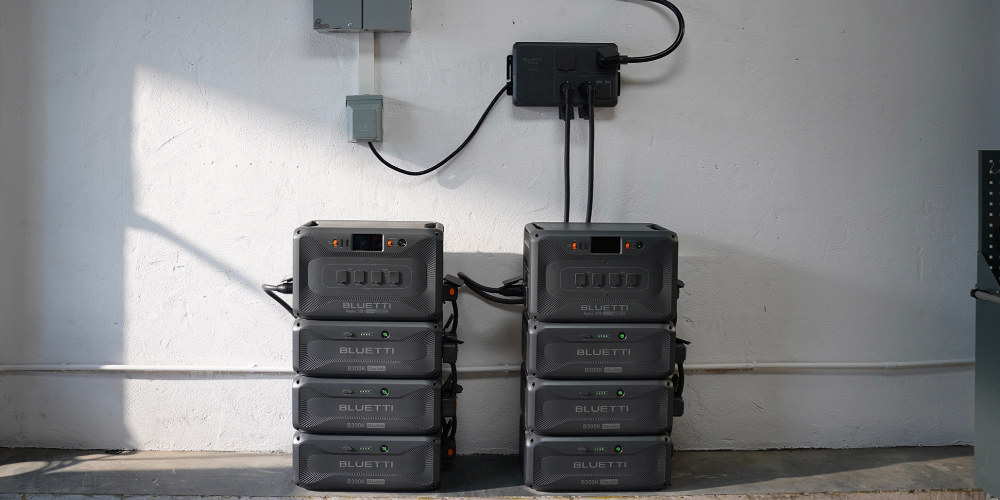
Solar pairs well with energy storage in Colorado due to snow events, wildfire-related outages, and evolving rate plans.
Homeowner Rebates, Tax Benefits, Net Metering & SRECs for Colorado Homeowners
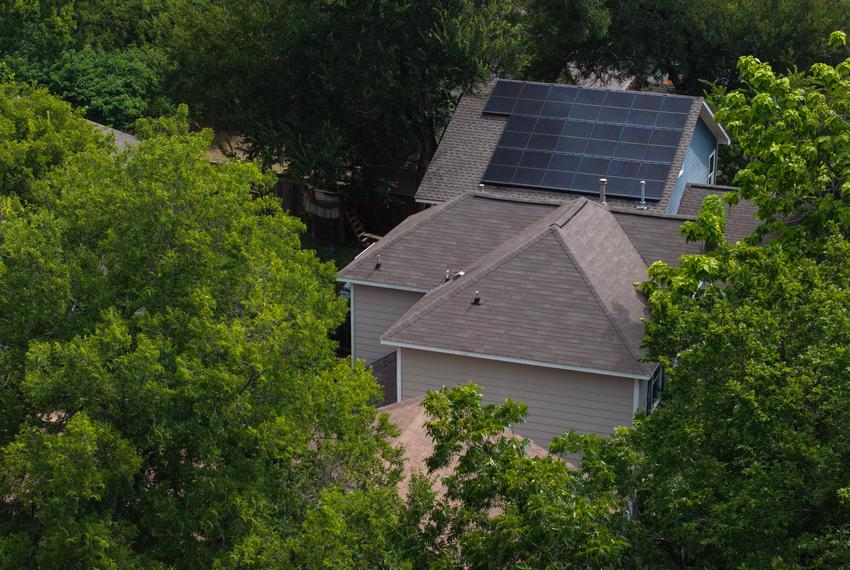
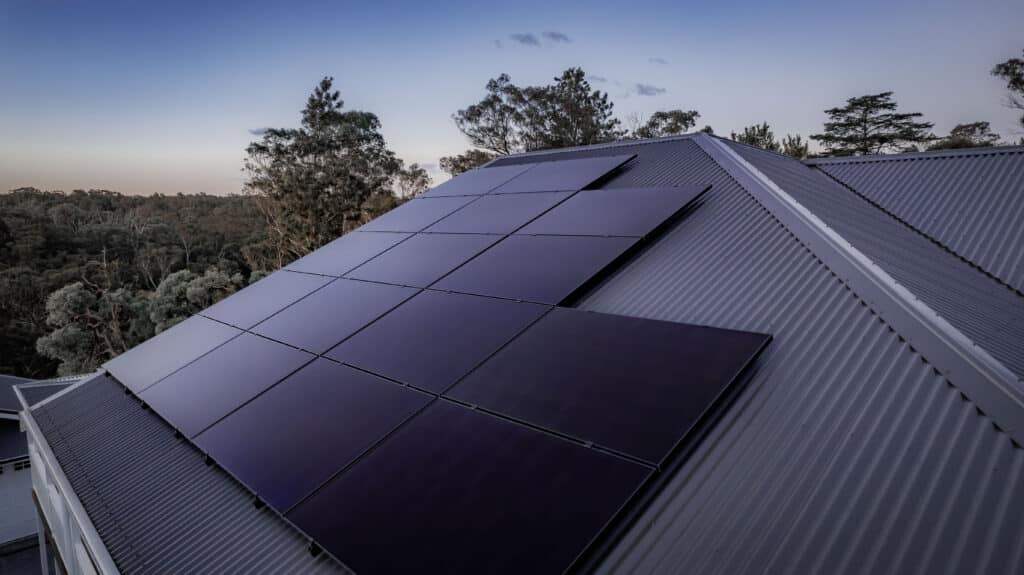
Colorado homeowners are increasingly choosing solar to manage rising electricity costs, protect against outages from wildfires and winter storms, and gain long-term control over household energy expenses.
With strong year-round solar potential, high elevation sunlight, and growing electrification from heat pumps and EVs, many homes are seeing higher utility demand than in past years. Solar — especially when paired with battery storage — helps offset peak usage, stabilize monthly bills, and provide backup power during grid disruptions.
The average residential electricity rate in Colorado is 14–15¢ per kWh, placing the state near the national average. While rates are not the highest in the country, long-term forecasts point to continued upward pressure from infrastructure upgrades, wildfire mitigation, and increased grid demand, making solar a practical hedge for homeowners in 2026.
Here's what homeowners need to know about California solar incentives in 2026.
Colorado Solar Incentives for Homeowners
Property tax exemption: Solar systems are excluded from property tax assessments
Sales tax treatment: No statewide sales tax exemption for residential solar
State energy policy: Solar supported under Colorado clean energy and grid modernization goals
Colorado law exempts residential solar systems from increasing a home’s assessed value, allowing homeowners to install solar without triggering higher property taxes. While the state does not offer a broad sales-tax exemption or a direct statewide rebate for residential solar in 2026, Colorado’s energy policy strongly supports distributed generation, utility net metering, and storage adoption. These policies form the foundation of residential solar economics across the state.
Utility-Specific Solar Incentives in Colorado
Investor-owned utilities: Xcel Energy
Municipal utilities: Fort Collins Utilities, Colorado Springs Utilities, Longmont Power & Communications, others
Electric cooperatives: Policies vary by provider
Xcel Energy Residential Solar Programs
Xcel Energy serves a large portion of Colorado’s Front Range, including Denver, Boulder, and surrounding communities. Xcel supports residential solar through net metering and standardized interconnection procedures. Exported solar energy earns bill credits that offset future electricity use, making rooftop solar effective when systems are sized to household consumption. Xcel’s rate structures and time-of-use options increasingly reward self-consumption and storage integration.
Platte River Power Authority (PRPA)
Platte River Power Authority serves several municipal utilities in northern Colorado (Fort Collins, Loveland, Longmont, Estes Park). While not investor-owned, PRPA and its member utilities have historically offered net metering or net billing, streamlined interconnection, and in some cases local incentives or rebates tied to distributed generation. Policies differ by city utility (e.g., Longmont vs. Fort Collins).
Holy Cross Energy (HCE)
Holy Cross Energy serves Eagle, Summit, and parts of Garfield counties. HCE supports residential solar with net metering or value of solar (VOS) credit structures and has programs that integrate solar and battery systems. In some cases, HCE offers community solar options, which can be especially valuable for renters or homeowners with shading issues.
Intermountain Rural Electric Association (IREA)
IREA and other rural electric cooperatives in Colorado often have their own distributed generation tariffs. These can include traditional net metering, avoided cost crediting, or flat export rates. While not always as generous as municipal or investor-owned utility programs, these co-op policies are vitally important for solar customers in more remote parts of the state.
United Power and Other Co-ops
United Power, Mountain View Electric Association (MVEA), Yampa Valley Electric Association (YVEA), and other co-ops serve rural and semi-rural Colorado. Many of these providers offer net metering or net billing and may also support ad hoc storage pilots or local incentives depending on board and member priorities. Some co-ops also participate in demand response or time-of-use (TOU) rate structures that enhance the value of solar + storage.
Municipal Utilities
Several Colorado cities operate municipal utilities with their own solar programs. Utilities such as Fort Collins Utilities, Colorado Springs Utilities, and Longmont Power & Communications often offer net metering or net billing structures that differ from investor-owned utilities. Credit values, interconnection timelines, and system size limits vary by municipality, so homeowners should review local utility rules when planning a solar installation.
Electric Cooperatives
Rural electric cooperatives serve many parts of Colorado and may offer net metering, net billing, or avoided-cost crediting for residential solar. Cooperative policies can vary widely, including how excess generation is credited and whether credits roll forward. Homeowners should confirm program details directly with their cooperative before designing a system.
Net Metering for Residential Solar in Colorado
Supported by: Xcel Energy, municipal utilities, many electric cooperatives
Credit method: Bill credits for excess solar generation
Rollover: Credits typically roll forward monthly with annual reconciliation
System sizing: Usually aligned with household usage
Colorado requires qualifying utilities to offer net metering or comparable distributed generation crediting to residential solar customers. When a solar system produces more electricity than a home uses, the excess is exported to the grid and credited against future bills. Credits generally roll forward month to month and reconcile annually. Because export credits are designed to offset consumption rather than generate income, systems perform best when sized to match household load patterns.
SREC and Production-Based Incentives in Colorado
Statewide SREC market: Limited and utility-specific
Primary value drivers: Net metering credits and utility renewable compliance programs
Utility programs: Some utilities administer renewable credit or performance-based programs
Colorado does not operate a single open, statewide residential SREC trading market like some Northeast states. Instead, production-based incentives are often tied to utility renewable energy compliance programs, particularly through Xcel Energy or specific municipal utilities.
These programs may require participation through approved installers or utility contracts and are not universally available. For most homeowners, net metering and avoided utility costs remain the primary financial drivers of solar value.
Why Use Energy Storage in Colorado
Wildfire and outage resilience: Batteries provide backup during fire-related shutoffs and storms
Winter reliability: Storage supports homes during snowstorms and cold-weather outages
Peak load shifting: Batteries move midday solar into evening demand hours
Self-consumption optimization: Reduces reliance on export credits
Energy storage is becoming more common in Colorado as utilities adopt time-of-use rates and as wildfire risk increases in many regions. Batteries allow homeowners to store excess daytime solar production and use it during evening peaks or outages, improving both savings and reliability. In mountain and rural areas, storage also helps address longer outage restoration times. While batteries are not required, they significantly enhance the value of residential solar systems in 2026.


Need Help Navigating Incentives? Reach Out to US Solar Supplier
Colorado homeowners benefit from property tax exemptions, widespread net metering, and utility programs that support residential solar. Maximizing these incentives depends on proper system sizing, understanding local utility policies, and selecting equipment suited to Colorado’s climate and rate structures.
US Solar Supplier helps homeowners with materials selection, residential system design, battery storage planning, and utility compliance. Whether you’re installing rooftop solar along the Front Range, adding storage for wildfire resilience, or planning a rural solar system, our team can help design an incentive-ready solution tailored to Colorado conditions.
👉 Contact US Solar Supplier for personalized guidance on solar equipment, design services, and homeowner-focused solar planning in California.
Are there still solar incentives for homeowners in Colorado in 2026?
Yes. While direct federal homeowner tax credits are no longer available in 2026, Colorado homeowners can still benefit from property tax exemptions, net metering or net billing through utilities, and certain utility-administered production or performance programs. These incentives help improve long-term solar savings when systems are properly designed.
Does Colorado offer net metering for residential solar?
Yes. Many Colorado utilities, including Xcel Energy and several municipal utilities, offer net metering or comparable distributed generation crediting. Excess solar energy exported to the grid earns bill credits that offset future electricity use. Credit structures and rollover rules vary by utility.
Which utilities support residential solar in Colorado?
Major utilities include Xcel Energy, Fort Collins Utilities, Colorado Springs Utilities, and Longmont Power & Communications. In addition, rural electric cooperatives such as Holy Cross Energy, United Power, IREA, and others offer solar programs with their own net metering or net billing rules. Policies differ by provider and location.
Do solar panels increase property taxes in Colorado?
No. Colorado provides a property tax exemption for residential solar systems. Installing solar does not increase a home’s assessed value for property tax purposes, even if it raises market value.
Are there sales tax exemptions for solar in Colorado?
Colorado does not offer a broad statewide sales tax exemption for residential solar equipment. However, some local jurisdictions or utility programs may offer limited rebates or incentives that help reduce overall project costs.
Does Colorado have an SREC market for homeowners?
Colorado does not operate a single open statewide SREC market like some Northeast states. Instead, production-based incentives are typically tied to specific utility renewable compliance programs. Availability depends on utility territory and program enrollment.
Is battery storage required with solar in Colorado?
No. Battery storage is not required for residential solar systems in Colorado. However, many homeowners choose to add batteries to improve outage resilience, manage time-of-use rates, and increase self-consumption of solar energy.
Can Colorado homeowners go off-grid with solar?
Most homeowners remain grid-connected, as utility interconnection is required in most areas. However, solar-plus-storage systems can significantly reduce reliance on the grid and provide backup power during outages, functioning similarly to off-grid systems when needed.