California has some of the highest residential electricity rates in the country, making solar a powerful tool for long-term cost control.
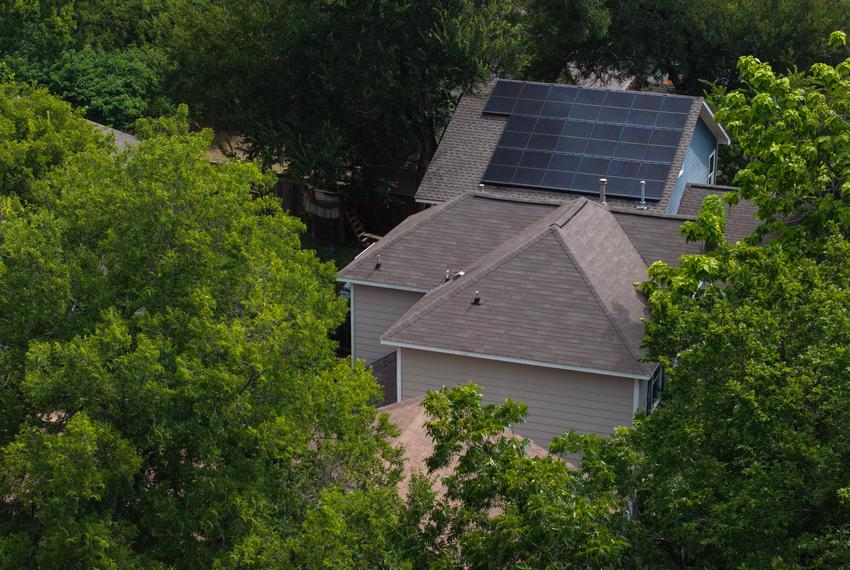
Homeowners benefit from a property tax exclusion, meaning solar does not increase assessed property value.
Traditional net metering has been replaced with net billing, where export credits are lower and time-based.
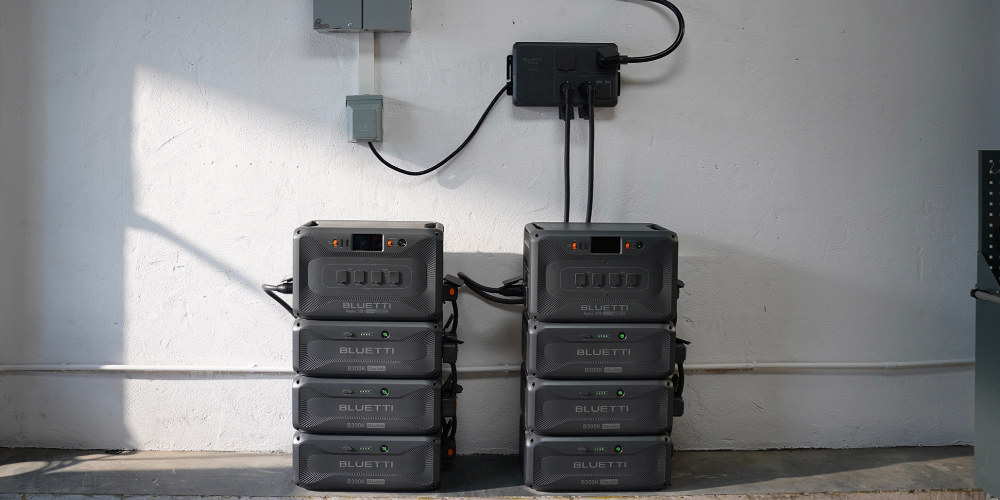
Solar plus battery storage delivers the strongest value, allowing homeowners to use more of their own energy and avoid low export credits.
Batteries are not mandated for single-family homes, but are increasingly essential due to rate design and outage risk.
Storage provides critical protection during wildfire-related Public Safety Power Shutoffs (PSPS) and heat-driven grid stress.
Utility policies and incentives vary by provider, with PG&E, SCE, SDG&E, LADWP, and SMUD all operating different programs
Homeowner Rebates, Tax Benefits, Net Metering & SRECs for California Homeowners
California homeowners continue to turn to solar to manage some of the highest electricity costs in the country, protect against rolling outages and wildfire-related shutoffs, and gain long-term control over energy expenses. With frequent heat waves, widespread use of air conditioning, and growing electrification of homes and vehicles, utility bills can fluctuate sharply year to year.
Solar paired with battery storage has become especially important in California, helping households maintain power during outages and reduce reliance on increasingly complex utility rate structures.
The average residential electricity rate in California is 30–32¢ per kWh, ranking the state among the most expensive electricity markets in the United States. Even in 2026 — without direct federal homeowner incentives — state policies and utility programs continue to make residential solar a meaningful cost-reduction and resiliency strategy.
Here's what homeowners need to know about California solar incentives in 2026.
California Solar Incentives for Homeowners
Property tax exclusion: Solar systems are excluded from property tax reassessments
Sales tax treatment: No statewide sales tax exemption specific to solar equipment
State energy policy: Solar supported under California clean energy and grid-resiliency goals
California’s property tax exclusion allows homeowners to install solar without triggering a reassessment that would increase property taxes, preserving long-term affordability. While the state does not offer a broad solar sales tax exemption or direct statewide rebate for homeowners in 2026, California’s energy policy strongly supports distributed generation, storage adoption, and grid resilience. These policies provide an important foundation for residential solar value.
Utility-Specific Solar Incentives in California
Investor-owned utilities: Pacific Gas & Electric (PG&E), Southern California Edison (SCE), San Diego Gas & Electric (SDG&E)
Municipal utilities: Los Angeles Department of Water and Power (LADWP), Sacramento Municipal Utility District (SMUD), others
Battery programs: Widely supported and often encouraged
PG&E Residential Solar Programs
PG&E serves much of Northern and Central California. Residential solar customers interconnect under the current net billing framework and receive export credits based on utility-defined rates rather than full retail value. Due to wildfire-related Public Safety Power Shutoffs (PSPS), many PG&E customers pair solar with battery storage to maintain power during outages.
Southern California Edison (SCE)
SCE serves large portions of Southern California and offers residential solar interconnection under net billing tariffs. Export credits are typically lower than retail rates, making self-consumption and battery integration increasingly important for homeowners. Time-of-use rate structures strongly influence system design.
San Diego Gas & Electric (SDG&E)
SDG&E serves San Diego County and has some of the highest residential electricity rates in the nation. SDG&E customers benefit most from solar systems designed to maximize on-site usage and battery discharge during high-cost evening periods. Storage is a common addition due to both rate optimization and outage protection.
Municipal Utilities (LADWP, SMUD, Others)
Municipal utilities such as Los Angeles Department of Water and Power and SMUD operate under separate governing structures and often provide more favorable solar crediting than investor-owned utilities. These utilities may offer simplified interconnection, different net billing terms, or local incentive programs. Policies vary by municipality and should be reviewed individually.
Net Billing for Residential Solar in California
Supported by: PG&E, SCE, SDG&E, municipal utilities
Credit method: Net billing credits for excess solar generation
Rollover: Credits roll forward monthly with annual reconciliation
System sizing: Typically optimized for on-site consumption
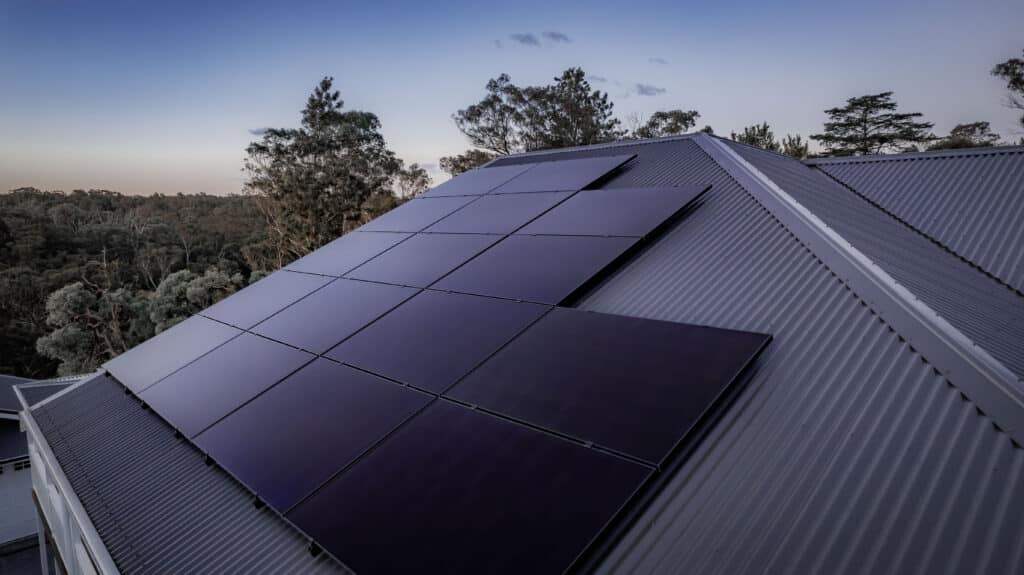
California no longer offers traditional full retail net metering for new residential systems. Instead, homeowners participate in net billing, where exported electricity earns credits based on utility-defined values that fluctuate by time of day and season. As a result, systems designed to prioritize self-consumption — especially when paired with battery storage — deliver the strongest financial outcomes in 2026.
What to Know About New Net Billing (NEM 3.0) in California
California’s NEM 3.0, officially called the Net Billing Tariff, replaced the older net metering rules for new solar systems interconnected on or after April 15, 2023. Under this structure, excess solar generation sent to the grid is no longer credited at full retail electricity rates; instead, credits are based on “avoided cost” values that vary by time of day, day of week, and season, and are generally much lower than retail rates, which significantly reduces the value of exported energy compared to prior programs.
Helps Battery Storage
This shift makes self-consumption and battery storage far more valuable, because storing and using your own solar output during high-cost periods can save more than exporting it for low credits. Existing systems under NEM 1.0 and NEM 2.0 remain grandfathered under their original terms for up to 20 years, but new solar customers must adopt the Net Billing approach with utility-specific time-varying rates, often accompanied by higher fixed grid charges
Why Use Energy Storage in California
Outage protection: Batteries provide backup during wildfires, PSPS events, and grid failures
Rate optimization: Storage offsets high evening time-of-use rates
Self-consumption: Batteries capture midday solar for later use
Grid independence: Reduces reliance on increasingly constrained infrastructure
Energy storage has become increasingly important for California homeowners, even though batteries are not legally mandated for single-family homes.
While California’s residential solar requirement under Title 24 does not require batteries, state energy policy, utility rate design, and grid reliability concerns strongly favor solar paired with storage. Under California’s current net billing structure, excess solar exported to the grid is credited at lower, time-varying rates, making batteries one of the most effective ways to capture and use your own solar production during high-cost evening hours.
Storage also plays a critical role in outage protection, particularly in wildfire-prone regions where Public Safety Power Shutoffs (PSPS) are common. Batteries allow homeowners to maintain power for essential loads when the grid is intentionally de-energized or experiences failures.
While California mandates battery systems primarily for certain commercial and multifamily buildings, residential homeowners are increasingly choosing storage voluntarily because it improves bill savings, energy independence, and household safety in a grid environment that continues to face stress from heat waves and infrastructure constraints.
SREC and Production-Based Incentives in California
Statewide SREC market: Not available
Primary value drivers: Bill savings, property tax exclusion, and storage optimization
Local and utility incentives: Periodic storage and resilience programs
California does not operate a statewide Solar Renewable Energy Credit (SREC) market. Residential solar value is realized through avoided electricity purchases, property tax protections, and targeted utility or state programs focused on storage and grid resilience. Production-based incentives may appear in localized or time-limited programs, but long-term savings are primarily driven by system design and battery integration.


Need Help Navigating Incentives? Reach Out to US Solar Supplier
California homeowners benefit from property tax exclusions, utility net billing programs, and solar designs tailored to high electricity rates, time-of-use pricing, and outage risk. Maximizing these benefits depends on correct system sizing, understanding local utility tariffs, and selecting equipment optimized for self-consumption and storage.
US Solar Supplier helps homeowners with materials selection, residential system design, battery storage planning, and utility compliance.
Whether you’re installing rooftop solar in a high-rate utility territory, adding batteries for wildfire resilience, or optimizing your system for long-term savings, our team can help design an incentive-ready system tailored to California conditions.
👉 Contact US Solar Supplier for personalized guidance on solar equipment, design services, and homeowner-focused solar planning in California.
Are there still solar incentives for homeowners in California in 2026?
Yes. While direct federal homeowner tax credits are no longer available in 2026, California homeowners can still benefit from state-level incentives, property tax exclusions, utility net billing credits, and storage-focused programs. These incentives help reduce upfront costs and improve long-term savings when systems are properly designed.
Does California require homeowners to install batteries with solar?
No. California does not mandate battery storage for single-family residential solar installations. However, current utility rate structures, net billing rules, and outage risks strongly encourage homeowners to pair solar with energy storage to maximize savings and reliability.
What happened to net metering in California?
California no longer offers traditional full retail net metering for new residential solar systems. Homeowners now participate in net billing, where excess solar exported to the grid earns credits based on time-varying utility rates rather than full retail value. Because of this, systems designed for self-consumption — often with batteries — provide better financial outcomes.
Do solar panels increase property taxes in California?
No. California provides a property tax exclusion for qualifying solar energy systems. Installing solar does not trigger a reassessment or increase property taxes, even though it can raise your home’s market value.
Are there sales tax exemptions for solar in California?
California does not offer a broad statewide sales tax exemption specifically for residential solar equipment. However, local programs or utility-administered incentives may reduce overall system costs, particularly for battery storage or resiliency-focused installations.
Why are batteries so common with solar in California?
Batteries are common because they help homeowners avoid exporting power at low credit values, shift solar energy into expensive evening hours, and maintain power during outages. In wildfire-prone areas, batteries also provide protection during Public Safety Power Shutoff (PSPS) events.
Are there incentives specifically for battery storage in California?
Yes. California utilities and state agencies periodically offer storage-focused incentives and programs that reward resiliency, grid support, or peak demand reduction. These programs vary by utility territory and may prioritize homes in high-risk or outage-prone areas.
Can I go off-grid with solar in California?
Most California homeowners remain grid-connected, even with batteries, because utility interconnection is still required in most jurisdictions. However, solar-plus-storage systems can significantly reduce reliance on the grid and provide backup power during outages, functioning similarly to off-grid systems when needed.