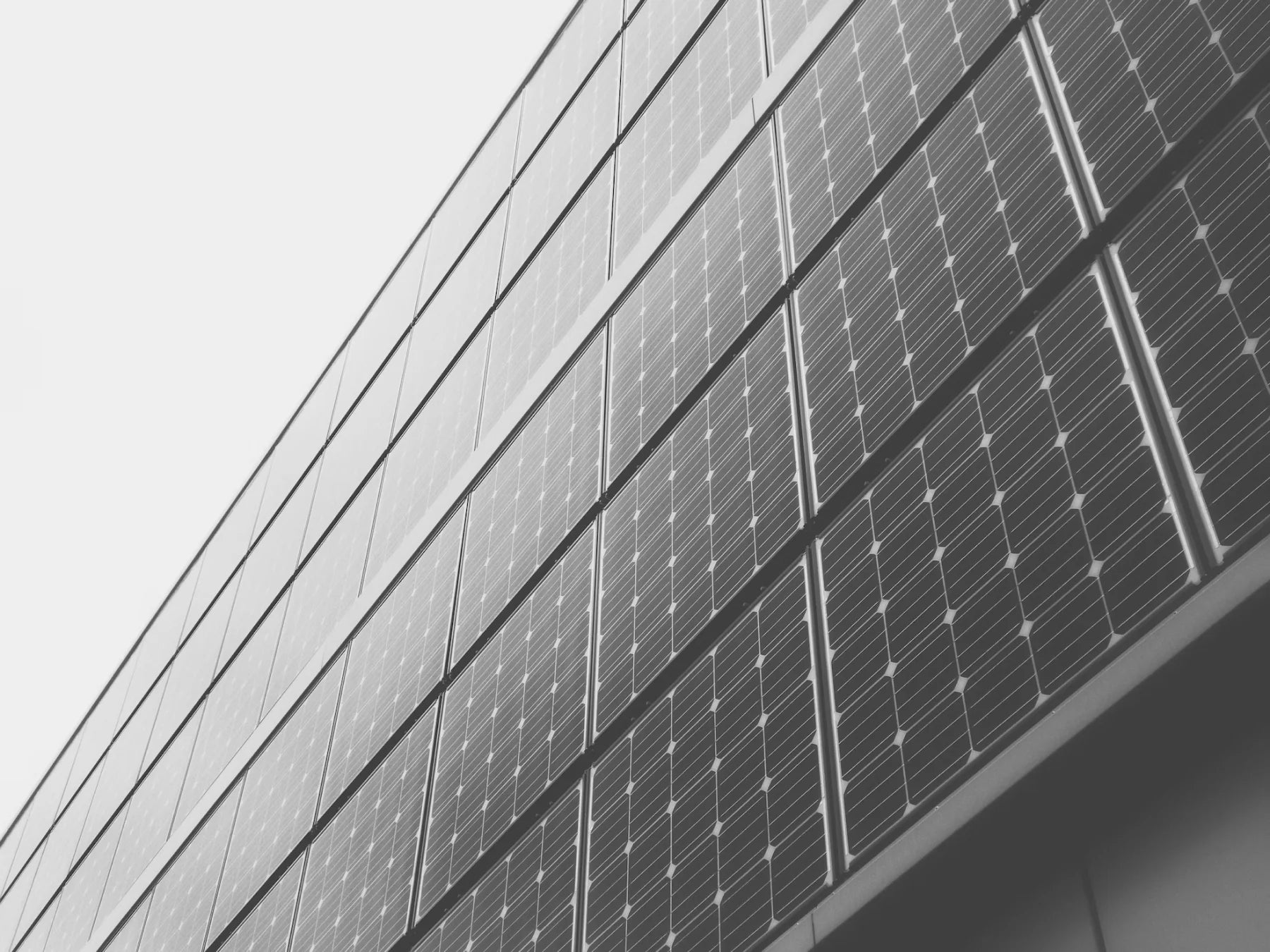
Solar panels often get the most attention during a solar installation, but the inverter plays an equally important role. Without the right inverter, your system cannot efficiently convert the electricity generated by your panels into usable power for your home or business.
When it comes to choosing a string inverter, understanding how these devices work and what features matter most can help you make a smarter investment. Whether you are building a new solar system or upgrading an existing one, selecting the right inverter supports better performance, easier maintenance, and long-term reliability.
Understanding What a String Inverter Does
A string inverter serves as the central conversion point for your solar system. Solar panels generate direct current (DC) electricity, while homes and businesses use alternating current (AC) electricity. The inverter converts the DC power produced by your solar array into AC power that your electrical system can use.
String inverters connect multiple solar panels together in a series known as a string. The inverter receives the combined electricity from the connected panels and processes it before sending it into your electrical panel. This design has made string inverters one of the most common inverter options for residential and small commercial solar installations.
Why String Inverters Remain Popular
String inverters continue to dominate the market because they offer a practical balance between performance and affordability. Their straightforward design makes installation easier and often reduces overall project costs compared to more complex inverter configurations.
Many homeowners appreciate the simplicity of a string inverter system. With fewer electronic components mounted on the roof, there are fewer potential points of failure. Maintenance also tends to be more straightforward because technicians can access the inverter from a ground-level location.
Cost Advantages
One of the biggest reasons people select string inverters is value. They generally cost less than systems that require electronics on every panel. This lower upfront investment allows homeowners to allocate more of their budget toward additional panels, battery storage, or other system upgrades.
Proven Technology
String inverter technology has delivered reliable performance for decades. Manufacturers continue to improve efficiency, durability, and monitoring capabilities while maintaining the familiar design that installers trust.
When You Wouldn’t Use a String Inverter
Although string inverters work well for many solar installations, they are not ideal for every situation. Frequent shading, multiple roof angles, or panels facing different directions can reduce performance. In these cases, microinverters or power optimizers may offer better energy production and flexibility.

Evaluating Your Solar Site Conditions
Before selecting a string inverter, you should carefully evaluate the conditions where your solar panels will operate. Site characteristics have a significant impact on overall inverter performance.
A roof with consistent sun exposure throughout the day often works exceptionally well with a string inverter. When all panels receive similar sunlight, the inverter can maximize energy production across the entire string.
Properties with minimal shading typically achieve the best results. If trees, chimneys, nearby buildings, or other obstructions create frequent shade patterns, you should carefully assess how those conditions may affect system output.
Orientation Matters
South-facing roofs generally provide ideal solar exposure in most parts of the United States. However, east-facing and west-facing arrays can also perform effectively when properly designed.
Roof sections that receive similar sunlight throughout the day allow string inverters to operate more efficiently. Consistency across the solar array helps maintain steady power production.
Matching Inverter Size to System Size
Proper inverter sizing plays a major role in system performance. An inverter that is too small may limit power production during peak sunlight hours. An oversized inverter may increase costs without delivering meaningful benefits.
Installers typically calculate the expected power output of the solar array and then match the inverter accordingly. This process considers factors such as panel wattage, local climate conditions, and anticipated energy production.
Understanding DC-To-AC Ratios
Most solar systems intentionally use a slightly higher DC capacity than AC capacity. This practice allows the inverter to operate efficiently throughout the day while maximizing energy harvest during lower-light conditions. Your installer should evaluate the ideal ratio for your specific project rather than relying on a one-size-fits-all approach.
Monitoring and Smart Features
Modern string inverters offer advanced monitoring capabilities that help owners track system performance. These tools provide valuable insights into energy production and can help identify potential issues before they become major problems.
Many monitoring platforms allow users to view production data through mobile apps or web-based dashboards. This visibility helps homeowners understand how their system performs throughout different seasons and weather conditions.
Features Worth Considering
Some string inverter models include advanced capabilities that improve convenience and system management.
- Remote monitoring access
- Real-time performance tracking
- Utility grid communication
- Battery storage compatibility
These features can add long-term value while making your solar system easier to manage.
Reliability and Warranty Coverage
An inverter represents one of the most important components in your solar installation, so reliability should be a major consideration. A high-quality inverter can provide years of dependable service while helping maximize your return on investment.
Manufacturers offer varying warranty lengths and support programs. Longer warranties often indicate greater confidence in product durability, although you should always review warranty terms carefully.
Manufacturer Reputation
Established inverter manufacturers often invest heavily in product testing and customer support. A strong reputation for reliability can provide additional peace of mind when making your selection. Look for brands that offer responsive technical support, readily available replacement parts, and a proven track record within the solar industry.

Planning for Future Expansion
Many homeowners begin with a solar system that meets current energy needs, only to discover later that they want additional capacity. Electric vehicles, home additions, and battery storage systems can all increase future electricity demand.
When evaluating string inverters, consider whether the equipment can support future expansion. Some models provide flexibility that makes later upgrades easier and more cost-effective.
Questions To Ask Before Buying
Future planning can prevent expensive modifications later.
- Will energy usage increase over time?
- Do you plan to add battery storage in the future?
- Do you expect to add additional panels later?
- Does the inverter support system expansion?
Answering these questions early can help guide a better purchasing decision.
Battery Compatibility Considerations
Battery storage continues to grow in popularity as homeowners seek greater energy independence. If you plan to add batteries now or in the future, inverter compatibility becomes an important factor.
Some string inverters integrate directly with battery systems, while others require additional equipment. Understanding these requirements before purchasing can help avoid unnecessary costs later. Battery-ready inverters may provide more flexibility if your long-term goals include backup power during outages or increased self-consumption of solar energy.
Installation and Maintenance Factors
Installation quality has a direct impact on inverter performance. Even the best inverter will not deliver optimal results if installers improperly install or configure it.
Professional installers understand how to position inverters for adequate airflow, proper electrical connections, and long-term reliability. Good installation practices help prevent overheating and improve overall system lifespan.
Maintenance requirements for string inverters remain relatively low. Periodic inspections and monitoring reviews often provide sufficient oversight for most residential systems.
Finding the Right String Inverter for Long-Term Success
Successfully choosing a string inverter requires more than simply selecting the lowest-priced option. The right inverter should align with your solar array design, site conditions, energy goals, and future expansion plans. By evaluating factors such as sizing, monitoring capabilities, warranty coverage, battery compatibility, and overall reliability, you can build a system that delivers dependable performance for years to come.
At US Solar Supplier, we offer a wide variety of solar panel inverters from trusted manufacturers. Our team helps customers find the right solution for residential and commercial solar projects while providing expert guidance throughout the selection process. Browse our options to find the right string invertor for your needs.