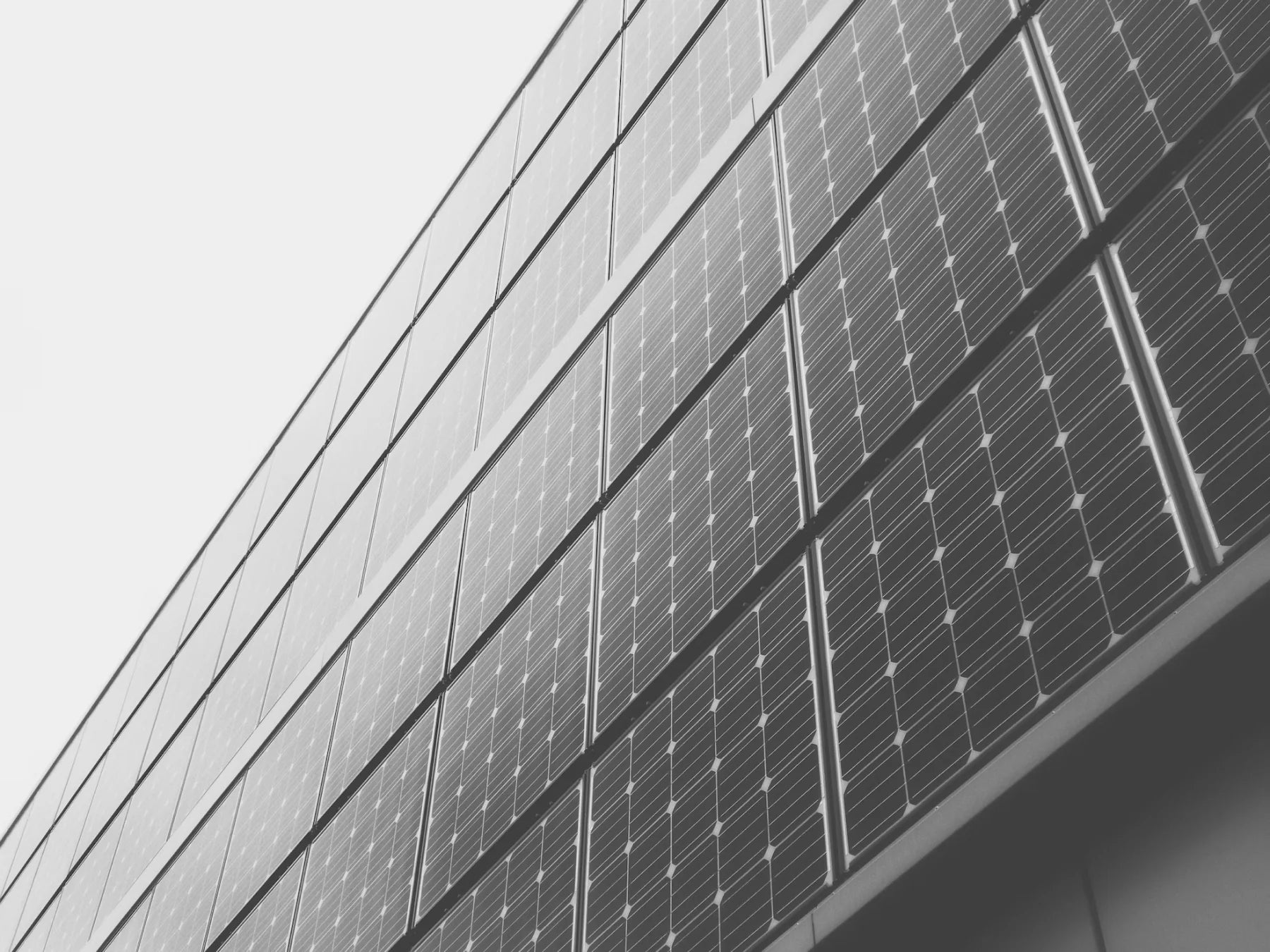
Choosing the right mounting equipment plays a major role in the performance and lifespan of any solar installation. The rack supports every panel, protects the system against weather, and helps maximize energy production over many years.
Whether you plan a residential project or a small commercial installation, understanding your options helps you avoid expensive mistakes. These tips for choosing the right solar racking system will help you compare mounting styles, roof compatibility, installation requirements, and long-term durability before you purchase equipment.
Understand the Purpose of a Solar Racking System
A solar racking system does much more than hold panels in place. It creates the foundation that keeps your array secure through changing weather while positioning panels at the proper angle for sunlight. A quality racking system also protects your roof or ground installation from unnecessary stress.
Choosing the wrong mounting hardware can create installation challenges that affect performance and maintenance. The right system simplifies installation while supporting the weight of the panels without placing excessive pressure on the mounting surface. It also allows proper airflow beneath the modules, which helps panels operate more efficiently during warmer weather.
Many homeowners focus on selecting solar panels first, but the mounting system deserves equal attention. Reliable racking protects your investment from the first day of installation through decades of daily use.
Match the Racking System to Your Roof Type
Every roof presents different installation requirements. Selecting hardware designed for your roofing material improves safety while protecting your home from water intrusion and structural damage.
Asphalt Shingle Roofs
Asphalt shingles remain the most common roofing material for residential solar systems. Installers typically secure mounting brackets directly into roof rafters before sealing every penetration with weatherproof flashing. This approach creates a strong attachment without compromising the roof.
Metal Roofs
Standing seam metal roofs often allow installers to clamp mounting equipment directly onto the raised seams. This method avoids drilling through the roof surface while creating a secure connection. Corrugated metal roofs require specialized brackets that attach through the roofing material with proper sealing hardware.
Tile Roofs
Tile roofs require additional planning because individual tiles can crack during installation. Specialized mounting brackets replace or fit beneath selected tiles while protecting the surrounding roofing materials. Choosing hardware designed specifically for tile roofs reduces installation risks and creates a cleaner finished appearance.

Consider Ground-Mounted Solar Systems
Not every property offers enough roof space for solar panels. Trees, roof orientation, limited square footage, or structural concerns may make a ground-mounted system the better choice.
Ground mounts give installers greater flexibility when positioning panels for maximum sunlight throughout the day. They also simplify maintenance because technicians can reach the equipment without climbing onto a roof.
Ground-mounted systems work well for:
- Homes with shaded roofs
- Properties with open land
- Small commercial facilities
- Agricultural installations
- Future system expansions
Although ground-mounted installations typically require additional site preparation, they often provide excellent long-term performance when installed correctly.
Evaluate Material Quality and Durability
Solar racking remains exposed to the elements every day. Rain, snow, wind, temperature swings, and ultraviolet exposure place constant stress on every mounting component. Choosing durable materials helps protect your investment for years.
Most quality racking systems use aluminum rails with stainless steel hardware because these materials resist corrosion while remaining lightweight and strong. Galvanized steel also performs well in many applications, especially where additional structural strength is necessary.
When comparing products, look beyond the initial purchase price. Better materials often reduce maintenance while extending the life of the entire solar installation.
Think About Wind and Snow Conditions
Weather conditions vary across the country, so your mounting system should match your local environment. Areas that experience heavy snowfall require stronger structural support than regions with mild winters. Coastal areas may need corrosion-resistant hardware because of salt exposure.
Wind ratings also deserve careful attention. High winds create uplift forces that place significant pressure on mounting hardware. Choosing equipment engineered for local weather conditions helps protect both the solar array and the structure beneath it.
Before ordering materials, verify that the racking system meets applicable building requirements for your installation area. Doing so helps prevent delays during permitting while improving long-term reliability.
Compare Fixed and Adjustable Mounting Options
Most residential systems use fixed-tilt mounting because it offers dependable performance with fewer moving parts. Once installed, the panels remain at one angle throughout the year.
Adjustable systems allow seasonal angle changes to improve solar production. Some commercial installations also use tracking systems that automatically follow the sun throughout the day. While these systems may increase energy production, they also add cost and maintenance requirements.
For many homeowners, fixed mounting offers dependable performance with fewer moving parts. It provides an excellent balance between simplicity, reliability, and long-term value.

Choose Hardware That Simplifies Installation
Installation efficiency matters whether you hire a professional or complete a DIY project. Well-designed racking systems reduce labor while minimizing opportunities for installation errors.
Look for systems that offer:
- Clearly labeled components
- Compatible mounting accessories
- Straightforward assembly instructions
- Flexible rail configurations
- Proven compatibility with your selected solar panels
Reliable suppliers make this process even easier by helping customers select components that work together. US Solar Supplier offers a broad selection of solar racking products that support many different installation types while helping customers find equipment that fits their specific project.
Plan for Future Maintenance
Even the best mounting system benefits from periodic inspections. Tight hardware, intact flashing, and clean drainage paths help protect both the solar array and the building. Routine maintenance also makes it easier to identify small issues before they become expensive repairs.
Leave Room for Future Expansion
Many property owners eventually increase their solar capacity after experiencing lower utility bills. Planning for future expansion during the initial installation can save both time and money.
If expansion may happen later, consider rail layouts that accommodate additional panels. You should also verify that the roof structure or ground area can support future equipment without major modifications. Planning ahead provides greater flexibility if your energy needs change.
Buy From a Supplier That Offers Technical Support
Product quality matters, but knowledgeable support also contributes to a successful installation. Selecting compatible hardware becomes much easier when experienced professionals answer questions before you place an order.
Look for suppliers that provide:
- Complete racking systems with matching hardware
- Products from established manufacturers
- Guidance for roof and ground installations
- Fast shipping with dependable availability
- Responsive customer service before and after purchase
Working with a trusted supplier reduces uncertainty throughout the buying process. Instead of piecing together components from multiple vendors, you can purchase compatible products from one source. That approach saves time while helping you avoid compatibility issues.
Choose a Solar Racking System With Confidence
Following these tips for choosing the right solar racking system helps you build a safer and longer-lasting solar installation. Matching the racking to your roof type or ground mount, selecting durable materials, and planning for future growth all contribute to dependable performance.
Working with an experienced supplier also gives you confidence that every component fits your project from the beginning. US Solar Supplier offers high-quality solar racking products, knowledgeable support, and dependable service. As a trusted solar racking supplier for homeowners, contractors, and installers across the country, we can help you find the right products for your needs.